Debunking Common Myths About Root Canal Treatments
Wading Through Root Canal Myths and Facts
Root canal stories tend to spread quickly, often shaped by outdated experiences or incomplete information. This blog was created to bring clarity, calm, and accuracy to conversations about root canal care, using plain language and real-life insight. Education plays a big role in easing concerns, especially when treatment decisions affect long-term oral health. This page focuses on root canal myths and facts that are shared every day in dental offices, in family conversations, and in online searches. Each section ahead explains what today’s root canal treatment looks like, how it supports overall wellness, and why early care helps protect natural teeth. The goal stays simple: help readers feel informed, prepared, and confident about their dental choices.
Why Do Root Canal Myths Exist?
Many concerns about dental care come from stories passed down over time, older techniques, and confusing online information. Early root canal procedures look different from today’s approach, yet those memories still shape expectations. Media portrayals also influence how people view dental visits, often focusing on drama instead of routine care. Myths about root canal treatment grow when clear explanations are hard to find or when fear fills the gaps left by missing details. Open conversations, modern education, and updated clinical standards help reduce rumors with accurate, reassuring information that supports confident decisions.
Common Root Canal Myths & the Trust Behind Them
Questions about root canal care often come from a place of caution and concern for long-term health. Patients hear stories from friends, family members, or online posts that feel convincing because they sound personal or emotional. This section addresses those ideas with calm, clear context based on modern dental care. Many searches combine phrases like “are root canals risky” and “is root canal painful myth,” which shows how closely fear and curiosity connect. Understanding where these beliefs start helps patients feel more secure when reviewing treatment options. Here are a few myths and the truth behind them:
- Myth: Root Canal Treatment is Painful – Advanced modern techniques focus on comfort from start to finish. Local anesthesia keeps patients relaxed during care. Many people report relief once the source of discomfort is removed.
- Myth: Root Canals Create Health Risks – Current procedures follow strict safety and sterilization standards. Treatment targets infection while preserving the healthy tooth structure. A treated tooth supports stronger oral health and daily comfort.
- Myth: Tooth Removal Works Better Than a Root Canal – Saving the natural tooth supports proper chewing and alignment. Root canal care strengthens the remaining structure with restorative support. Long-term results often feel more natural and stable.
Actual Facts About Modern Root Canal Treatment
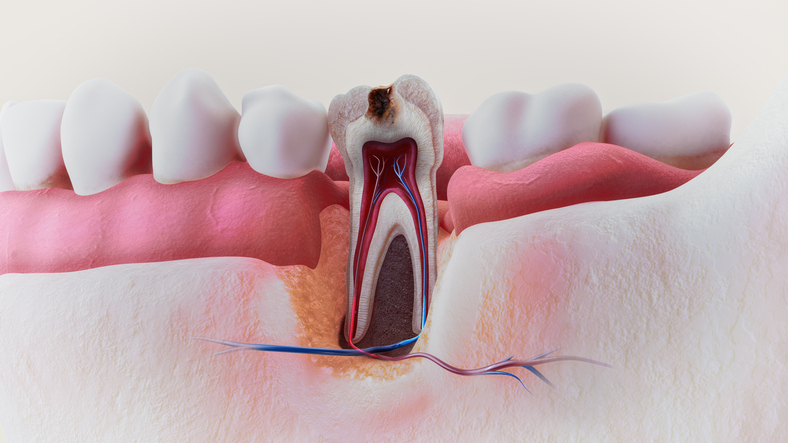
Current root canal care looks different from what many people expect. Modern imaging, precise instruments, and advanced materials allow dentists to treat infected teeth with accuracy and comfort. Local anesthesia supports a calm experience while protecting surrounding tissue. Treatment often requires fewer visits and supports long-term tooth strength with proper restoration. Many misconceptions about root canal procedures come from outdated methods that no longer reflect today’s standards. Clear facts show that this care focuses on preserving natural teeth, supporting oral wellness, and helping patients return to normal routines with confidence and ease.
The Benefits of Getting a Root Canal
Root canals offer practical, long-lasting benefits for patients who want to protect their smiles and stay comfortable. This treatment supports natural teeth rather than replacing them. Modern techniques allow dentists to treat infections while preserving the surrounding structures. Patients often appreciate the straightforward process and predictable results. Relief, stability, and preservation matter to families who value trusted dental care. The benefits below show why this option continues to serve patients of all ages:
- Preserves Your Natural Tooth – Keeping a natural tooth supports proper bite alignment and everyday function. The treated tooth blends naturally with the rest of your smile.
- Supports Comfortable Daily Living – Treatment removes the source of infection that affects comfort. Many patients return to normal routines shortly after care.
- Promotes Long-Term Oral Health – Root canal therapy helps prevent future spread of infection. A restored tooth contributes to a healthier mouth overall.
- Provides Reliable, Lasting Results – Modern materials strengthen the treated tooth after care. Patients often enjoy years of dependable use from the restored tooth.
When Should You Consider a Root Canal
A root canal often comes up in conversation when a tooth shows signs that routine care cannot fully address. Ongoing sensitivity to temperature, discomfort during chewing, or swelling near a tooth can signal that the inner tissue needs attention. Teeth with deep decay or damage from past dental work may also benefit from this treatment. Addressing these concerns early helps protect the tooth’s natural structure and supports lasting comfort. A thoughtful evaluation allows patients to explore treatment options with clarity and confidence.
Tips for Preventing a Root Canal
Protecting your natural teeth often starts with small, consistent habits that support long-term oral health. Many root canals result from decay or damage that develops over time. Daily care, regular checkups, and quick attention to changes can make a meaningful difference. Preventive steps help keep the inner structure of each tooth healthy and strong. Simple routines also support comfort and confidence at every stage of life. The following tips highlight practical ways patients can reduce the chances of advanced treatment while maintaining a healthy, comfortable smile:
- Maintain Thorough Daily Brushing Habits – Brushing twice a day removes plaque that can weaken enamel and lead to decay. Consistent technique helps protect teeth from long-term damage.
- Floss Every Day – Flossing reaches areas a toothbrush cannot access. This habit reduces buildup that may affect the inner tooth structure.
- Schedule Routine Checkups – Regular visits allow early signs of decay or damage to be addressed. Professional cleanings support stronger teeth and healthier gums.
- Address Dental Concerns as Soon as They Appear – Sensitivity or discomfort deserves timely attention. Early care often prevents minor issues from progressing further.
Learn About Misconceptions About Root Canals
Clear, honest information makes dental decisions feel easier to manage. This page was created to replace uncertainty with reassurance by sharing accurate root canal myths and facts in a caring, straightforward way. Questions deserve thoughtful answers from a dental team that values comfort, communication, and respect. Schedule a visit to discuss your concerns, review treatment options, and receive personalized guidance focused on long-term oral health. A calm, welcoming environment and modern care help every visit feel like the right choice for you and your family.
Myths About Root Canal FAQs
Are Root Canals Risky for Overall Health?
Root canal procedures follow strict clinical and safety standards. The treatment removes infection while protecting healthy structures. A properly treated tooth supports a healthier mouth.
Does a Root Canal Mean Losing the Tooth Eventually?
Root canal care is designed to preserve your natural tooth. With proper restoration and routine care, treated teeth often last for many years. Keeping the natural tooth supports everyday function and comfort.
Do Root Canals Require Multiple Long Appointments?
Many root canals are completed in one or two visits. Modern tools improve efficiency and precision during care. Treatment plans are tailored to fit the patient’s needs and comfort.
Are Root Canals Only for Severe Dental Problems?
Dentists may recommend a root canal before problems become advanced. Early treatment supports better outcomes and preserves more of the natural tooth. Prompt care often simplifies recovery.
Is Root Canal Treatment Outdated?
Root canal care continues to advance with better technology and materials. Dentists use modern imaging and precise instruments to support patient comfort. Treatment today feels efficient, controlled, and predictable.