
Why Do Gums Bleed While Brushing and How to Stop It
Know Why Do Gums Bleed While Brushing and How to Stop It
Bleeding gums during brushing catch many people off guard. A little pink on the sink can raise questions about daily habits, overall health, or whether something more serious is happening. This blog takes a calm, clear look at why gums bleed while brushing and what helps them heal. Readers also learn simple, practical steps that support healthier gums at home and know when professional care makes a difference. Creve Coeur Dental in Creve Coeur, MO often discusses the causes of bleeding gums and how early treatment helps keep smiles comfortable and strong. Clear explanations matter, and steady habits can bring lasting improvement. This guide was written to help families brush with confidence and feel reassured about their oral health choices.
What Is the Main Cause of Bleeding Gums?
Plaque buildup along the gumline is the main reason bleeding occurs during brushing. Issues like plaque carry bacteria that irritate gum tissues and make them tender. Daily brushing can then trigger bleeding as the gums react to that irritation. Many patients ask, “Why do gums bleed while brushing?” Plaque remains the most common answer seen in dental exams. Gentle brushing alone cannot remove hardened plaque, so professional cleanings are important. Healthier gums often follow consistent care and early attention.
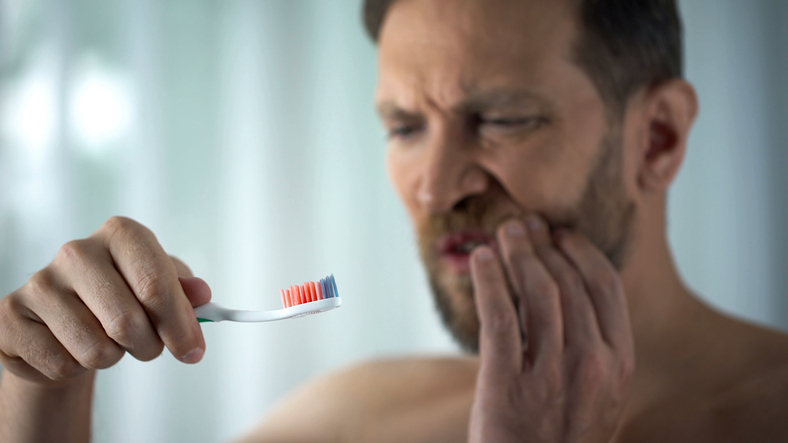
Common Causes of Bleeding Gums
Bleeding gums often signal that something in the mouth needs extra care. Many daily routines, health changes, and external factors affect how the gums respond to brushing and flossing. This section reviews the most common causes of bleeding gums to make patterns easier to recognize. Clear explanations help patients take calm, confident steps toward improvement. Early awareness supports comfort and long-term oral health. Small changes at home, paired with routine dental visits, often lead to steadier gum health and a cleaner feeling after brushing. The list below highlights the most common causes of bleeding gums:
- Plaque and Tartar Buildup – Plaque collects along the gumline when brushing and flossing misses certain areas. The bacteria in plaque irritate the gum tissue, increasing the likelihood of bleeding.
- Improper Brushing Technique – Hard bristles or aggressive pressure stress delicate gum tissue. Gentle, controlled strokes support healthy gums and still remove debris.
- Hormonal Changes – Pregnancy, puberty, and menopause increase blood flow to the gums. Sensitive tissue may react more strongly during daily brushing.
- Vitamin Deficiencies – Low levels of vitamin C or vitamin K affect the body’s ability to support gum health. Balanced nutrition helps gums stay firm and resilient.
- Certain Medications – Some medications influence blood flow and gum sensitivity. A dental exam can help identify early medication-related changes.
Is It Bad If Your Gums Bleed While Brushing?
Noticing blood after brushing signals that gums need a little extra care. The tissue may react to plaque along the gumline, to brushing pressure, or to areas that are not cleaned often enough. This response is a helpful message rather than a cause for alarm. Gums tend to recover well once daily habits improve and professional cleanings remove buildup. Paying attention early supports comfort, fresher breath, and stronger gums over time. Small adjustments often lead to steady, visible improvement.
How to Stop Your Gums From Bleeding?
Stopping bleeding gums usually starts with steady, gentle daily care. A soft-bristled toothbrush and light pressure protect sensitive tissue while still cleaning effectively. Brushing twice a day and flossing once a day removes plaque that irritates the gumline. An antimicrobial mouth rinse can support gum comfort between cleanings. Staying hydrated and eating foods rich in vitamin C and K also helps maintain strong gums. Routine dental cleanings remove hardened buildup that brushing cannot, giving gums a better chance to heal and stay firm.
When Should You See a Dentist for Bleeding Gums
Seeing a dentist makes sense if bleeding persists for more than a week or occurs during brushing or flossing. Ongoing tenderness, swelling, or changes in gum color also deserve attention. A dental exam can look beyond daily habits and check for medical factors, including nutrition. Patients often ask, “What deficiency causes bleeding gums?” And low levels of vitamin C or vitamin K play a role. Professional care brings reassurance, clear answers, and a plan that supports comfortable, healthy gums moving forward.
Our Prevention Tips
Daily choices play a major role in keeping gums comfortable and resilient. Bleeding often improves when care routines focus on consistency rather than force. Prevention works best when habits support the gumline throughout the day. These tips center on simple actions that protect delicate tissue and reduce irritation over time. Patients who follow steady routines often notice firmer gums, fresher breath, and more confidence while brushing. Below are our tips for healthier, bleed-free gums:
- Use a Soft-Bristled Toothbrush – Soft bristles clean effectively without stressing gum tissue. Light pressure helps plaque lift away while protecting sensitive areas.
- Brush and Floss Every Day – Brushing twice daily removes surface buildup that irritates gums. Daily flossing clears plaque from spaces a toothbrush cannot reach.
- Support Gum Health Through Nutrition – Foods rich in vitamin C and vitamin K help maintain strong, healthy gums. Balanced meals support the body’s natural healing response.
- Schedule Regular Dental Cleanings – Professional cleanings remove hardened plaque that home care misses. Clean surfaces give gums a better chance to stay firm and healthy.
Stop Your Gums From Bleeding Today
Understanding the causes of bleeding gums helps families make confident choices about daily routines and professional treatment. Guidance from a trusted local dental team can bring peace of mind and steady improvement. A personalized exam highlights what your gums need to stay comfortable and strong. Schedule a visit with Creve Coeur Dental to talk through symptoms, receive clear recommendations, and enjoy care that respects your comfort. Healthier gums start with one thoughtful appointment.
Bleeding Gums FAQs
Why Do My Gums Bleed When I Brush?
Gums often bleed when plaque builds up along the gumline, irritating the gums. This reaction usually improves once brushing habits become more consistent and thorough.
How Long Should Bleeding Gums Last?
Mild bleeding often improves within several days of regular brushing and flossing. Dental care is recommended when bleeding persists beyond a week.
Can Flossing Make Gum Bleeding Worse?
Flossing may cause brief bleeding when gums are sensitive. Daily flossing helps improve gum tissue health and resilience.
Are Bleeding Gums Common During Pregnancy?
Hormonal changes during pregnancy increase gum sensitivity for many patients. Regular oral care and dental cleanings help manage these changes.
Can Professional Cleanings Help Stop Bleeding Gums?
Professional cleanings remove hardened plaque that brushing cannot reach. Clean surfaces give gums a better chance to stay healthy and strong.