
How Dental Bridges Prevent Shifting Teeth and Bite Problems
How Dental Bridges Prevent Shifting Teeth and Bite Problems
Missing teeth can change the way you look and feel every day. When a gap stays open, your other teeth start to move out of their original spots. This movement creates a cooked smile, making it hard to chew your favorite foods correctly. You can enjoy the many physical benefits of dental bridges at Creve Coeur Dental in Creve Coeur, MO to keep your teeth right where they belong. These custom restorations fill the gap and serve as a sturdy wall for your surrounding teeth. This solution protects your bite and prevents your jaw from feeling sore or tired. Check out our guide to see how this treatment restores your confidence and keeps your smile perfectly straight.
Why Missing Teeth Cause Shifting
Teeth support each other like a team, and when one is lost, nearby teeth often begin to drift toward the open space. This movement can change how the upper and lower teeth meet, which affects chewing, comfort, and jaw balance. Shifting may start quietly, yet signs can include new gaps, pressure when biting, or teeth that feel out of place. A dental visit makes sense as soon as a tooth is lost or feels loose. Early care helps protect alignment, preserve bite stability, and keep the smile feeling comfortable and confident.
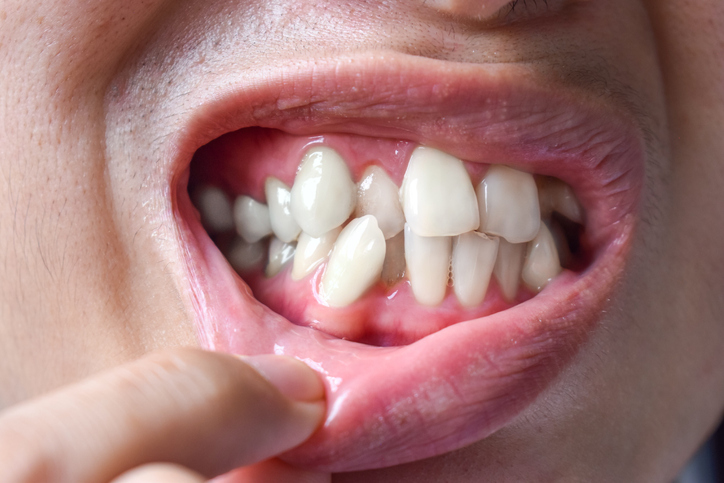
How a Dental Bridge Prevents Teeth From Shifting
A dental bridge fills the open space left by a missing tooth and holds nearby teeth in their proper positions. When the gap remains filled, the surrounding teeth have no room to move or tip forward. Dental bridges to prevent teeth from shifting work by restoring steady contact between teeth, helping balance pressure during chewing, and supporting a comfortable bite. Bridges also help maintain natural spacing, support speech, and preserve the shape of the smile. This approach protects alignment while allowing patients to eat, speak, and smile with confidence each day.
How Bridges Help Correct Bite Problems
Bite problems often begin when teeth lose proper contact, which places uneven pressure on the jaw and surrounding teeth. A dental bridge restores that contact by filling the space and guiding the bite back into balance. Patients who ask, “How do I stop my teeth from shifting?” often need a solution that supports alignment while improving comfort during chewing and speaking. Bridges also help distribute biting forces evenly and reduce strain on neighboring teeth. The list below highlights the various types of bridges available to patients:
- Traditional Dental Bridges – Traditional bridges use crowns on both sides of the gap to anchor the replacement tooth securely. This design provides strong support and helps restore balanced bite pressure across your smile.
- Cantilever Dental Bridges – Cantilever bridges attach to a crown on one side when only one adjacent tooth is available. They help stabilize specific areas of the bite while maintaining proper tooth spacing.
- Mayland Bonded Bridges – Maryland bridges use a conservative design that bonds to the back of nearby teeth. This option helps prevent movement while preserving more natural tooth structure.
- Implant-Supported Bridges – Implant-supported bridges rely on dental implants for support instead of natural teeth. This approach offers strong stability and helps maintain bite alignment over time.
Why Would a Dentist Recommend a Bridge Instead of an Implant?
A dentist may recommend a bridge when timing, comfort, or anatomy point toward a simpler solution. Bridges often work well for patients who want to restore function without surgery or extended healing time. Bone density, health history, and existing dental work can also guide this choice. A bridge can use the neighboring teeth for support, providing reliable stability. This option often restores the smile sooner while protecting alignment and bite comfort. Clear guidance helps patients choose care that fits their needs and goals.
The Benefits of Dental Bridges
Dental bridges offer a practical way to restore comfort and confidence after tooth loss. They support everyday activities such as eating and speaking while helping preserve natural alignment. Many patients choose a bridge because it provides consistent results and blends smoothly with surrounding teeth. This treatment also supports long-term oral health by maintaining a balanced smile. The list below highlights the benefits of dental bridges:
- Prevent Teeth From Shifting – Dental bridges fill open spaces so nearby teeth stay in their proper positions. This support helps preserve alignment and reduces unnecessary bite changes.
- Improves Chewing Function – Bridges restore contact between upper and lower teeth for steadier chewing. Balanced pressure makes eating feel comfortable and controlled.
- Supports Clear Speech – Missing teeth can affect how certain sounds are formed. A bridge helps maintain proper spacing for clear and natural speech.
- Enhances Appearance – Dental bridges match natural tooth color and shape. A complete smile often helps patients feel more confident during daily interactions.
- Offers a Predictable Treatment Option – Bridges rely on proven techniques with consistent outcomes. Many patients appreciate the clear timeline and stable results this option provides.
Aftercare Tips for Long-Lasting Bridges
Long-lasting dental bridges depend on consistent care and healthy daily habits. Gentle brushing twice a day keeps plaque from building up around the bridge and supporting teeth. Flossing with special threaders or a water flosser helps clean beneath the bridge where food particles may collect. Routine dental visits allow the dentist to check fit, bite balance, and gum health. Choosing balanced meals and limiting hard foods supports bridge stability. Thoughtful aftercare protects comfort, function, and the smile’s natural appearance.
Our Prevention Tips
Strong preventive care can lower the chances of tooth loss and reduce the need for future restorative treatment. Consistent brushing and flossing help protect enamel and keep gums healthy, which supports long-term tooth stability. Routine dental exams allow early detection of decay or gum issues before they weaken teeth. Wearing a mouthguard during sports protects teeth from sudden injury. Prompt treatment for cavities or cracked teeth also plays an important role. Daily care, regular professional cleanings, and protective habits help preserve natural teeth and support a healthy smile.
Stop Your Teeth From Shifting Today
Choosing the right solution for missing teeth can make a lasting difference in comfort, confidence, and oral stability. Learning the benefits of dental bridges gives patients clarity when planning care that supports alignment and bite balance. Our team welcomes questions and enjoys helping patients explore options that feel right for their goals. A personalized visit allows time to review needs, discuss next steps, and plan treatment with care and respect. Scheduling a consultation is a simple way to take control of your smile and protect it for years.
Dental Bridges FAQs
How Soon Should a Bridge Be Placed After Tooth Loss?
Timing depends on each patient’s oral health and treatment plan. Prompt evaluation helps protect alignment and supports long-term bite stability.
Are Dental Bridges Comfortable to Wear?
Dental bridges are designed to feel secure and natural during daily activities. Most patients adapt quickly and enjoy restored comfort while eating and speaking.
How Long Do Dental Bridges Last With Proper Care?
With consistent brushing, flossing, and dental visits, bridges often last many years. Healthy supporting teeth and gums play an important role in longevity.
Will a Bridge Look Natural With My Other Teeth?
Dental bridges are custom-made to match the shape and color of surrounding teeth. The result blends smoothly with the rest of the smile.
Why Might a Dentist Suggest a Bridge to Protect Bite Balance?
A bridge restores structure where support is missing and evenly distributes biting forces. This balance helps protect teeth, jaw comfort, and overall oral function.