The Future of Restorative Dentistry
Understand the Future of Restorative Dentistry Innovations Ahead
Restorative dentistry continues to move toward treatments that feel easier, look natural, and last longer. Materials have improved, digital tools guide precision, and care plans now reflect each patient’s needs rather than a one-size approach. New options, such as high-strength ceramics, digital impressions, and minimally invasive techniques, help protect more of the natural tooth structure while delivering reliable results. Creve Coeur Dental shares this perspective on future trends in restorative dentistry from our Creve Coeur, MO practice, where ongoing education and modern technology shape everyday care. Readers will find practical insight into innovations that influence crowns, bridges, implants, and cast restorations, including the role of noble metals in dentistry. Keep reading to learn more.
Current Advancements Driving the Future of Restorative Dentistry
Today’s advancements support treatments that feel smoother, look natural, and support long-term oral health. This progress allows dental teams to refine care with greater accuracy while preserving healthy tooth structure whenever possible. Advanced restorative dentistry reflects this shift by blending digital tools with proven materials and techniques. The following developments show how dental restorations are designed, placed, and maintained, helping patients receive dependable results that support function and appearance:
- Digital Impressions and Design Tools – High-resolution digital scanners capture detailed images without traditional impression materials. These scans support precise planning and restorations that fit comfortably from the start.
- High-Strength Ceramic Materials – Modern ceramics offer excellent durability along with lifelike color and translucency. These materials support crowns and bridges that blend naturally with surrounding teeth.
- Improved Bonding Techniques – Updated bonding systems enhance the strength and longevity of restorations. Secure bonds help restorations remain stable under daily chewing forces.
- Refined Metal Options for Cast Restorations – Noble metals continue to play a role in certain cast restorations due to their reliability and biocompatibility. Controlled casting methods improve accuracy and long-term performance.
Explore Innovations in Dental Restorations
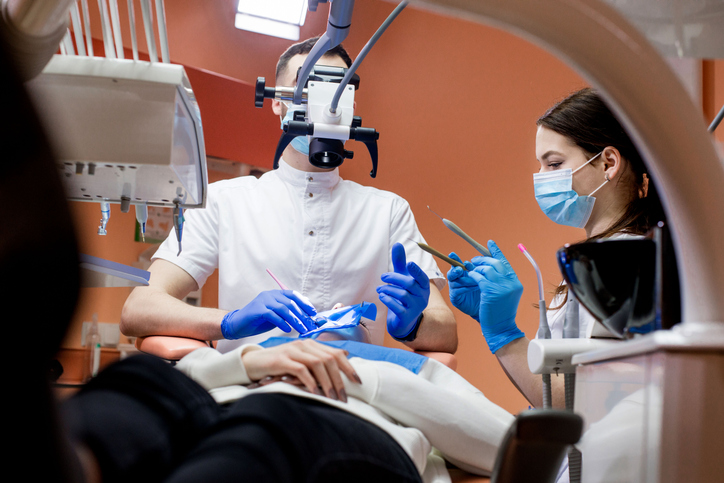
Modern care continues to benefit from thoughtful research and refined techniques, leading to steady growth in dental restoration innovations. Material science now supports restorations with high strength, better wear resistance, and lifelike appearance. Digital planning tools enable restorations to be designed with precise detail, supporting comfort and stability. Chairside technology also shortens treatment timelines while maintaining accuracy. These advances help restorations support natural function, healthy bite alignment, and attractive results. Each improvement reflects a broader focus on treatment that feels predictable and respectful.
Materials Transforming Future Restorations
Research and clinical refinement now guide how restorations support daily function while maintaining a comfortable feel. These materials respond well to modern fabrication methods. Many options also support long-term oral health through proven biocompatibility. Conversations around materials choice often include durability, appearance, and how each option performs over time. In advanced restorative planning, noble metals used for cast restorations in dentistry remain valued for specific clinical needs. The materials below reflect this forward progress:
- High-Performance Ceramic Systems – Contemporary ceramics offer excellent transparency with lifelike translucency. These materials support crowns and bridges that blend with natural teeth.
- Zirconia-Based Restorations – Zirconia delivers high fracture resistance suited for areas under heavy chewing forces. Refined formulations also provide improved color and contouring options.
- Advanced Composite Resins – Modern composites feature enhanced wear resistance and flexible placement techniques. These materials support conservative restorations that preserve healthy tooth structure.
- Noble Metal Alloys – Gold-based alloys remain respected for accuracy and longevity in cast restorations. Their biocompatibility supports stable margins and predictable performance over time.
Regenerative & Biological Dentistry
Regenerative and biological dentistry continue to influence the future of restorative dentistry through approaches that support the body’s natural healing abilities. These methods focus on tissue preservation, gentle intervention, and materials that harmonize with oral structures. Growth Factors, biocompatible materials, and biologically guided treatment planning help support bone, gum, and tooth health during restorative care. This direction encourages restorations that respect natural anatomy while supporting strength and function. As research expands, regenerative principles offer practical ways to align modern restorations with overall wellness and long-term oral stability.
Enjoy These Minimally Invasive Techniques
Minimally invasive techniques continue to shape the future of restorative dentistry through careful planning and precise execution. These methods focus on conserving healthy tooth structure while efficiently addressing decay or damage. Improved diagnostics, refined instruments, and modern materials support smaller restorations that still provide strong, reliable results. Patients often benefit from comfortable appointments and restorations designed to fit within the existing tooth. This approach supports long-term dental health by respecting natural anatomy and reducing the need for extensive treatment.
Robotics & Automation
Robotics and automation continue to shape the future of restorative dentistry by improving precision and consistency. Computer-assisted systems now support detailed planning for crowns, bridges, and implants with high accuracy. Automated milling and fabrication tools help create restorations that closely match digital designs. Robotics also assist clinicians during complex procedures by enhancing control and stability. These technologies support efficient workflows while keeping care focused on thoughtful planning, comfort, and reliable clinical outcomes.
The Benefits of These Advancements for Patients
Ongoing progress continues to focus on outcomes that feel comfortable, dependable, and personalized. These improvements influence every stage of treatment, from diagnosis and planning to final restoration placement. Technology and materials work together to support care that respects natural tooth structure and daily function. Patients benefit from clear communication, predictable results, and options designed for their individual needs. The future of dental restoration reflects this patient-focused direction, where modern techniques support confidence in treatment decisions and long-term oral health:
- Improved Comfort During Treatment – Modern tools allow procedures to feel smoother and more controlled. Many treatments now require less chair time while maintaining accuracy.
- More Natural-Looking Results – Advanced materials support lifelike color, shape, and texture. Restorations blend with surrounding teeth for a balanced appearance.
- Stronger, Longer-Lasting Restorations – High-performance materials help restorations withstand everyday chewing and wear. Reliable durability supports few repairs over time.
- Personalized Treatment Planning – Digital imaging supports detailed evaluation of each smile. Care plans reflect individual goals, dental structure, and lifestyle needs.
Learn More About the Innovations in Dental Restorations
Dental care continues to move forward with thoughtful innovation and patient-centered focus. Staying informed about future trends in restorative dentistry helps patients make confident choices that support comfort, function, and long-term oral health. Our team remains committed to applying modern techniques with care, clarity, and respect. To learn how these advancements may support your smile goals, schedule a visit and experience restorative dentistry shaped by listening, precision, and trusted guidance.
Future of Restorative Dentistry FAQs
What Does the Future of Restorative Dentistry Focus on Most?
The future of restorative dentistry emphasizes comfort, precision, and long-lasting results. Treatments continue to evolve toward preserving healthy tooth structure while delivering reliable, natural-looking restorations.
Are Modern Dental Restorations More Natural in Appearance?
Yes, newer materials closely match natural tooth color, shape, and translucency. These improvements help restorations blend comfortably with surrounding teeth.
Will Restorative Treatments Take Less Time in the Future?
Many modern techniques reduce treatment time while maintaining precision. Digital workflows often streamline planning and fabrication, supporting efficient appointments.
Will Restorative Dentistry Feel More Comfortable for Patients?
Improved instruments, diagnostics, and materials support smoother procedures. Many patients experience enhanced comfort during modern restorative care.