Top 5 Dental Emergencies and What to Do Before You Reach the Dentist
What to Do in a Dental Emergency
We know that a sudden dental issue can be a frightening and stressful experience, often happening when you least expect it. Whether it’s a sharp pain that keeps you up at night or an unexpected injury during a weekend game, please know that you aren’t alone and help is available. Understanding how to react in these moments can not only ease your discomfort but also save your tooth. Creve Coeur Dental offers a guide designed to provide you with compassionate, clear advice on how to navigate these urgent situations with confidence until you can get into our chair.
What Is Considered a Dental Emergency?
It can be difficult to determine if your situation requires immediate attention or if it can wait for a regular appointment. Generally, a dental emergency is any situation involving severe pain, uncontrolled bleeding, or trauma to the mouth that results in loose, broken, or knocked-out teeth. If you are experiencing a high fever alongside oral pain, or if you have swelling in the gums or face that makes it difficult to breathe or swallow, these are signs of a serious infection that needs to be addressed right away. Our priority is always your safety and comfort, so when in doubt, it is always best to call and let a professional evaluate your symptoms.
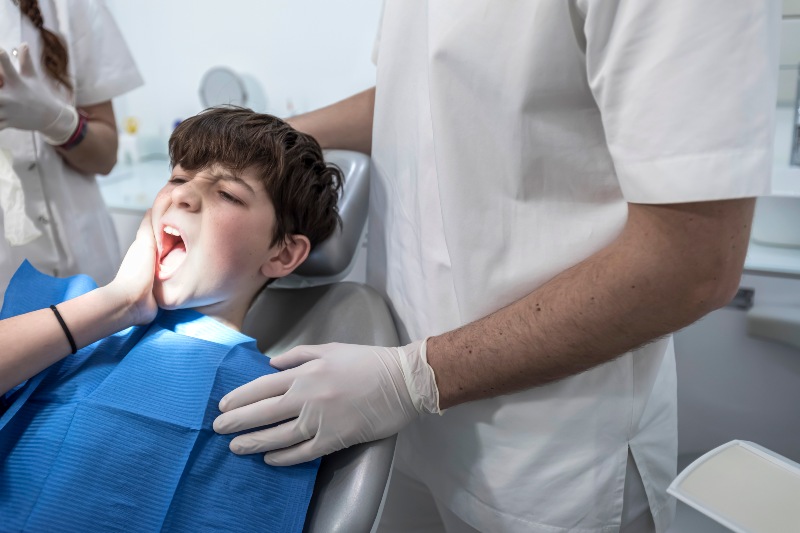
Top 5 Most Common Dental Emergencies
Understanding common dental emergencies and solutions can help you stay calm during a crisis. Here are the five most frequent issues patients encounter:
- Knocked-Out (Avulsed) Tooth – This is perhaps the most time-sensitive emergency. If a permanent tooth is completely displaced, there is a limited window to successfully replant it.
- Severe Toothache – Persistent, throbbing pain often indicates an abscess or deep decay that has reached the nerve.
- Chipped or Broken Teeth – While a small chip might be cosmetic, a significant fracture can expose the sensitive inner layers of the tooth, leading to intense pain and risk of infection.
- Lost Filling or Crown – When a restoration falls out, the underlying tooth structure is left vulnerable to pressure, temperature, and bacteria.
- Abscessed Tooth – A pocket of pus caused by a bacterial infection can lead to facial swelling and systemic health issues if left untreated.
How to Handle Dental Emergencies at Home
Knowing how to handle dental emergencies at home can provide much-needed relief while you arrange for professional care. For a knocked-out tooth, handle it only by the crown (the top part), rinse it gently with water if dirty, and try to place it back in the socket. If that isn’t possible, keep it moist in a small container of milk or a tooth preservation kit. For severe pain or swelling, a cold compress applied to the outside of the cheek for 15-minute intervals can reduce inflammation. If you have a broken tooth, rinse your mouth with warm salt water to keep the area clean and save any fragments you can find.
When to See an Emergency Dentist
You should seek immediate care if you experience any symptoms that indicate the body is struggling to fight an infection or if there is structural damage that prevents you from eating or speaking. The key indicators include:
- A “pimple-like” bump on the gums (an abscess)
- A tooth that feels loose or out of alignment
- Pain that does not respond to over-the-counter relievers
Remember, dental pain is your body’s way of saying something needs attention. Ignoring it can lead to more complex and expensive treatments down the road.
What to Do While Waiting for Treatment
While you are waiting for your emergency appointment with our team, focus on keeping the affected area as clean and undisturbed as possible. Avoid chewing on the side of the mouth where the injury occurred and stick to soft foods or liquids if necessary. If you are bleeding, apply gentle pressure with a clean piece of gauze for about 10 to 15 minutes. For a lost filling, you can temporarily protect the cavity with a piece of sugarless gum or over-the-counter dental cement found at most pharmacies. Stay hydrated and try to keep your head elevated, even when resting, to help minimize throbbing and pressure in the oral tissues.
Prevention Tips to Avoid Future Dental Emergencies
While some accidents are unavoidable, most dental emergencies can be prevented with a few proactive steps. Some prevention tips to help avoid future dental emergencies include:
- Wear a Mouthguard – If you or your children play contact sports, a custom-fitted mouthguard is the best defense against blunt force trauma.
- Avoid Using Teeth as Tools – Never use your teeth to open packages, crack nuts, or chew on ice, as this can lead to sudden fractures.
- Maintain Regular Checkups – Routine cleanings allow your dentist to spot weakened fillings or early signs of decay before they turn into painful emergencies.
- Practice Diligent Hygiene – Brushing twice a day and flossing daily keeps the gums and bone structure strong, reducing the risk of infections and abscesses.
Contact Creve Coeur Dental
Creve Coeur Dental provides comprehensive dental services in Creve Coeur, MO to help boost confidence and oral health. We know facing a dental crisis is never easy, but being prepared with the right information can make all the difference. By knowing what to do in a dental emergency, from preserving a knocked-out tooth to managing pain with a cold compress, you’re taking the first vital steps toward healing. We are dedicated to providing you with the informative care and compassionate support you need to get your smile back on track. If you find yourself in pain or facing an oral injury, please don’t hesitate to contact us.